


- HOME
- About Tsubame Sanjoutei
A place that will be a medicine to comfort your heart and mind
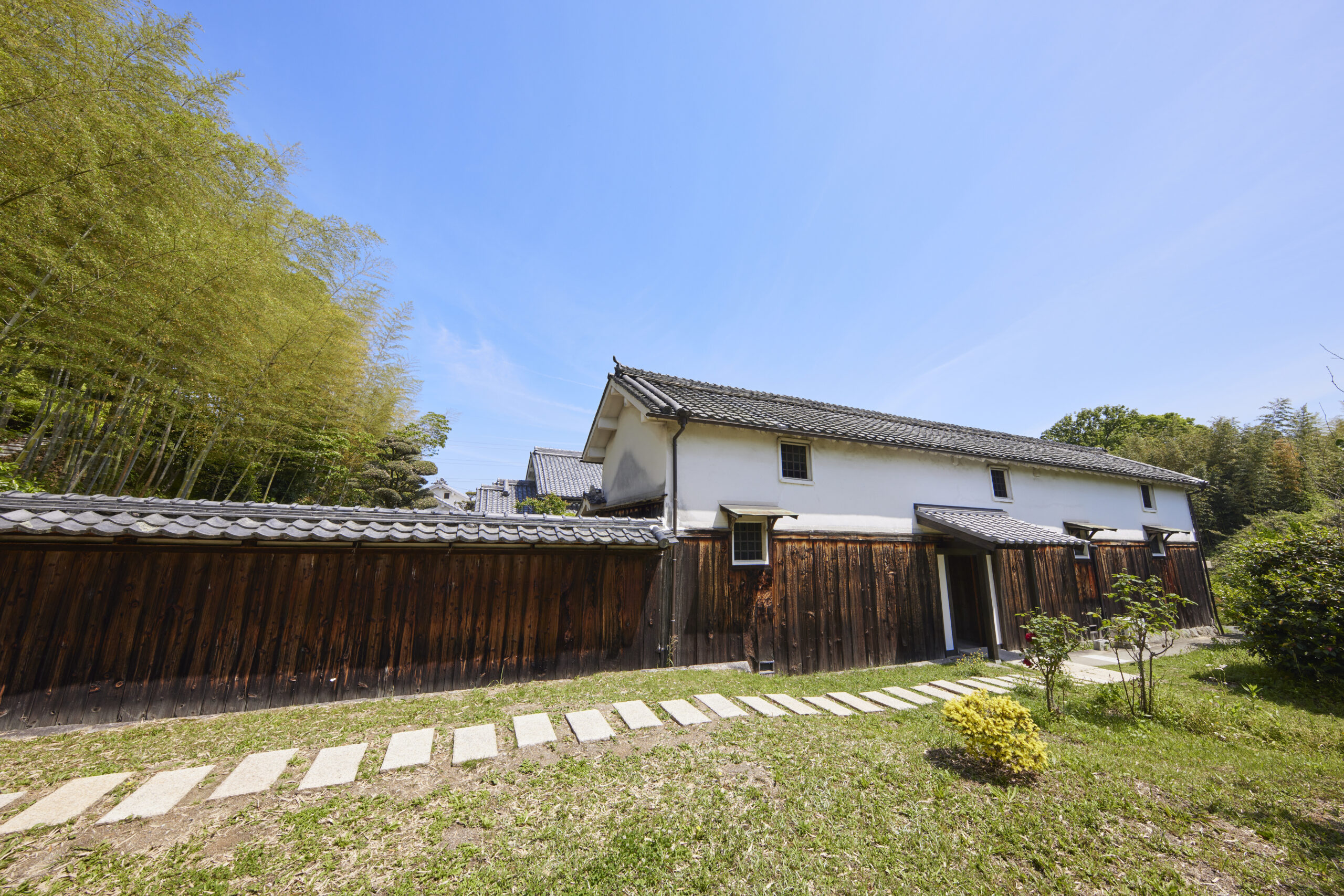
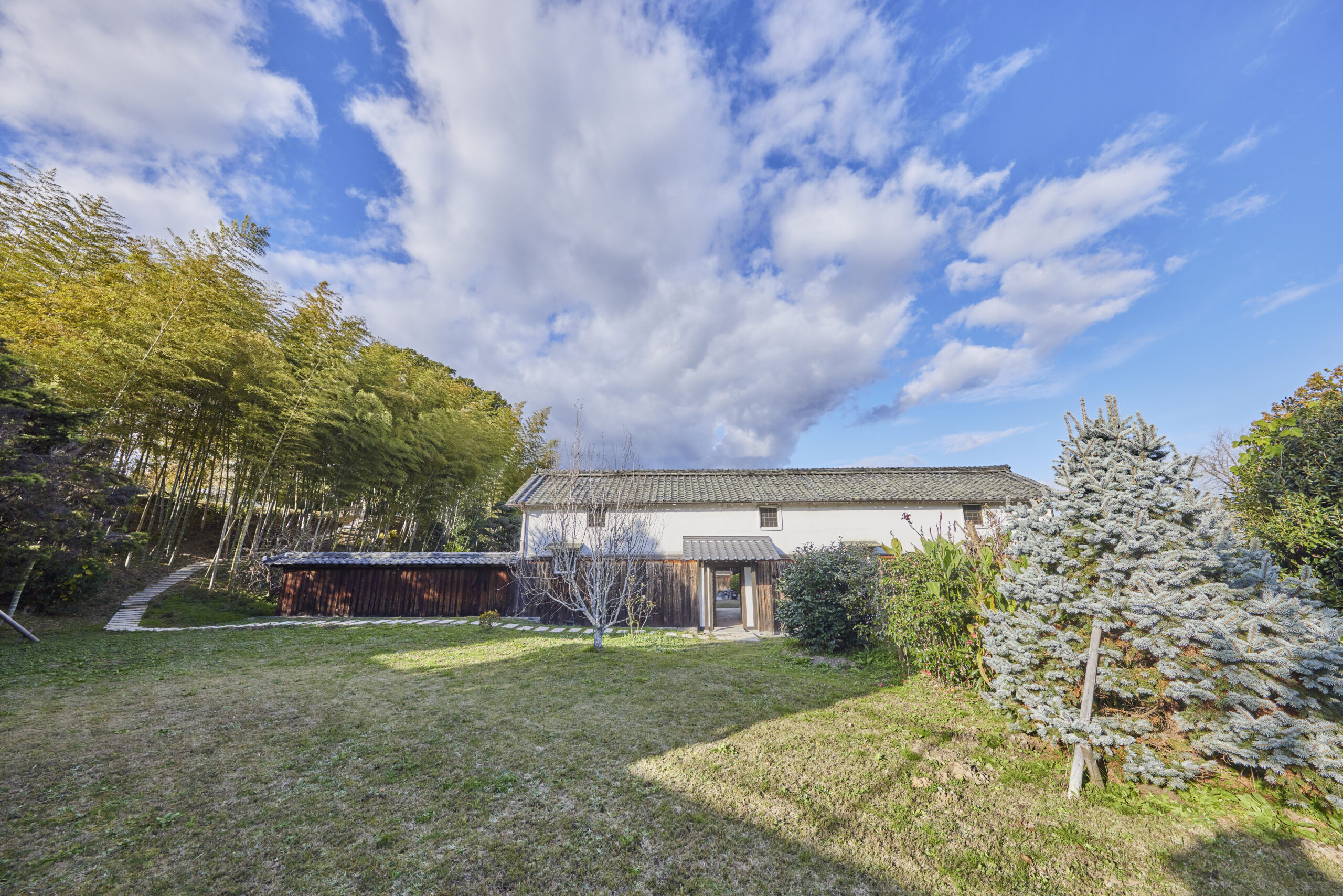
The origin of Tsubame Sanjotei dates from 1926 when Zenkichi Ashitaka, the 4th generation family head who was engaged in the business of distributing household medicine, constructed his residence on this site.
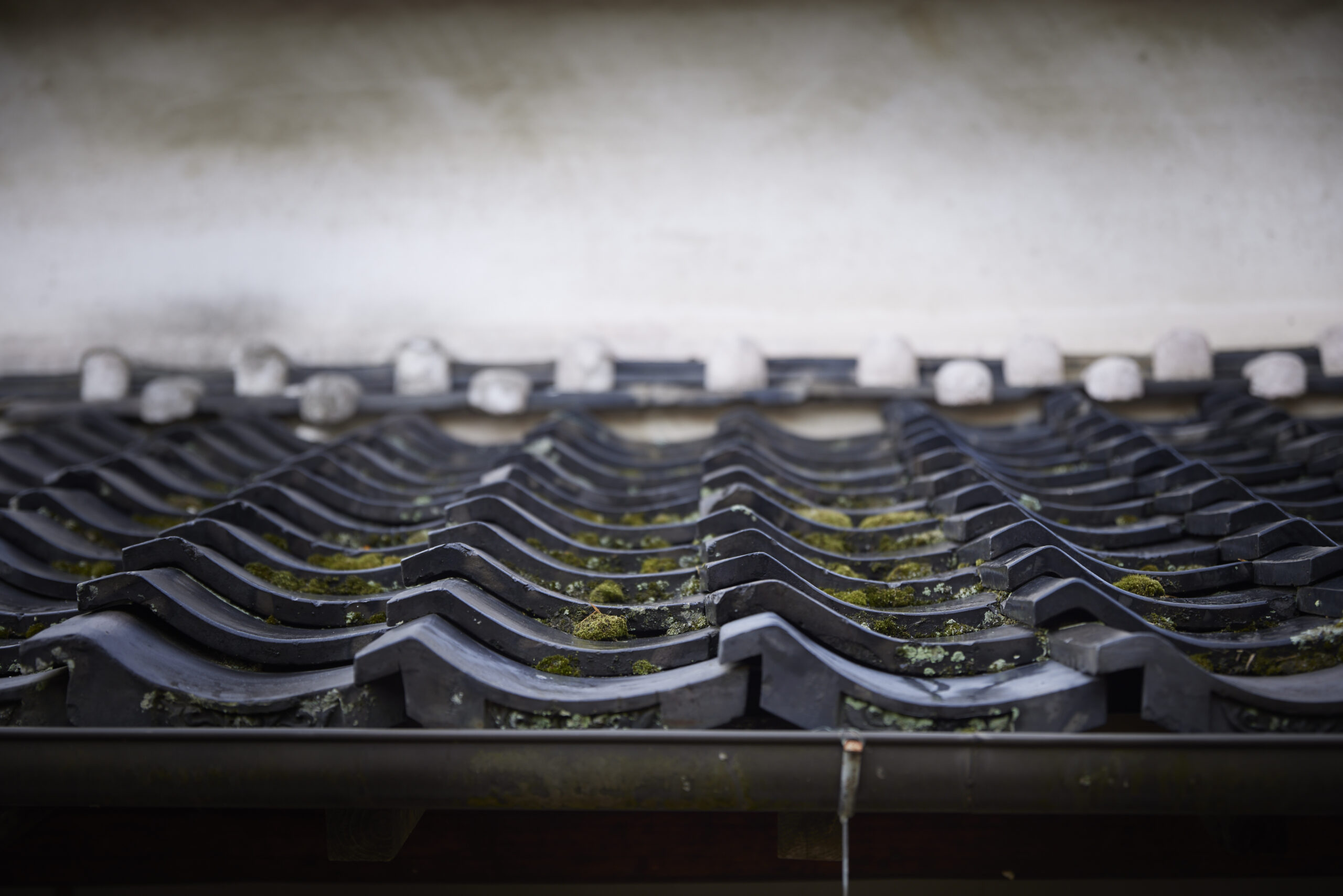
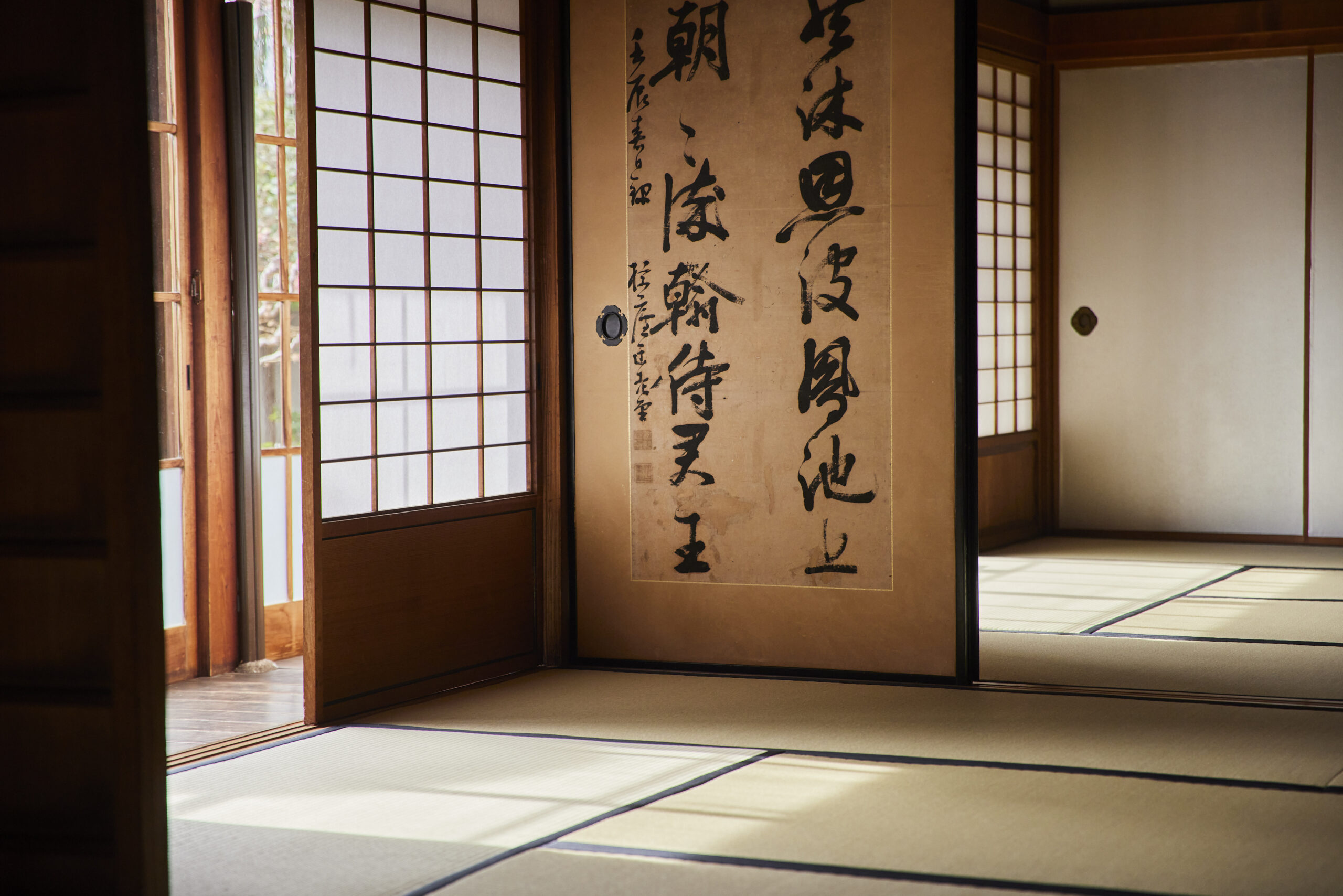
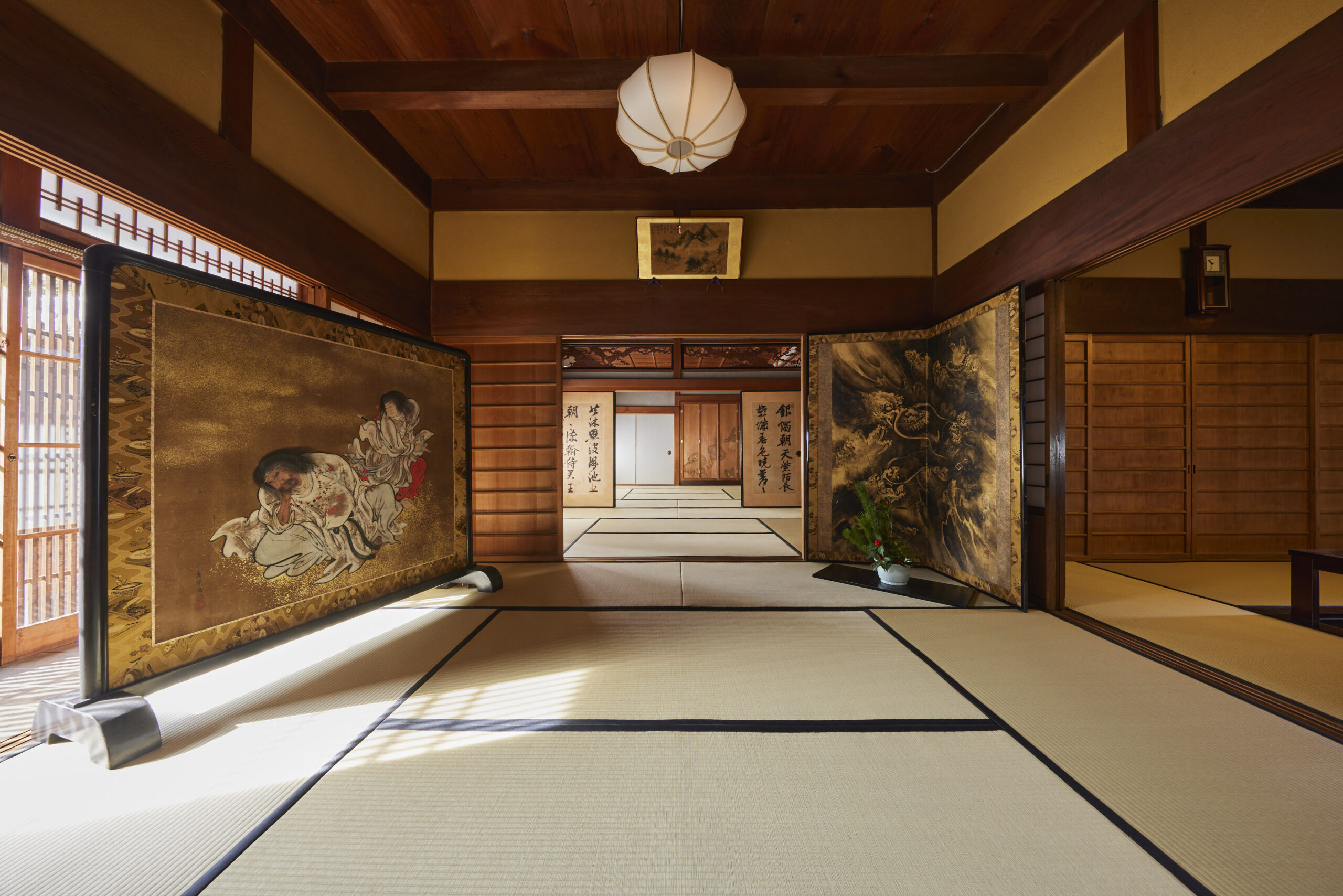
Using timber from the nearby forest owned by the family, carpenters, plasterers, masons, joiners, and other master craftspeople of the time put their skills to work to create this magnificent Japanese house which has become even more dignified with the passage of time.
When the house became vacant in 2018, the present family head began to consider how he could bring the house back to life. With the help of a team of creators, he spent almost two years renovating and preparing for the house’s rebirth.
Now, the house has been renamed “Tsubame Sanjotei” and reborn as a new cultural center.
Our mission is “To be a place to heal the heart and mind of people and foster new cultural pride.”
Inheriting the lineage of the Ashitaka Family, who delivered medicines to households across the country, we hope that Tsubame Sanjotei will be a place to heal and comfort your heart and mind like the medicine our predecessors provided and which supported people.
Our Name “Tsubame Sanjotei”
We would like to tell the little story that lies behind how the house got its new name, “Tsubame Sanjotei.” First, is that we still operate our medicine distribution business near Tsubame Sanjo, a city in Niigata Prefecture.
Second, when the Okami (proprietress) married into the Ashitaka Family, swallows (tsubame in Japanese), which had temporarily ceased to make the nest at the house, somehow returned to our house again, which brought great joy to the entire family.
When we considered the new name for the house, we definitely wanted to have “Tsubame” (swallow) as part of it because swallows have long been considered a symbol of good luck and happiness as well as the fact that the term “Tsubame” has a connection with the business base of the family in Niigata.
We wish we can share good luck and happiness with everyone who visits Tsubame Sanjotei.
Message from the Proprietor
The successive Ashitaka Family members have cherished and inherited this residence for many generations.
Our ancestors who were apothecaries deepened their relationship with the people who lived in the snowy mountains of Niigata and protected their health.
We hope that Tsubame Sanjotei will play a role, as our ancestors did with medicine, of a cultural center which can also be a comfort for your heart and mind through providing events and projects featuring culture and food.
We hope that Tsubame Sanjotei will be visited and loved by many people from around the world and we look forward to seeing you in Nara.
April 1, 2023
Zenya Ashitaka
Proprietor of Tsubame Sanjotei
Tea Ceremony with a Free and Playful Mind
The tea ceremony is often said to be the culmination of Japanese culture. Juko Murata (1423-1502), the originator of Wabi-cha, was pursuing a more playful tea ceremony shortly before he met the Zen monk, Ikkyu (1394-1481). This style of tea ceremony was called Rinkan Tea Ceremony (tea ceremony in which tea is served to guests after bathing). Later, Wabi-cha fully matured and was further perfected by Rikyu Sen (1522-1591), and grew into a wonderful Japanese culture that we can be proud of offering to the world today.
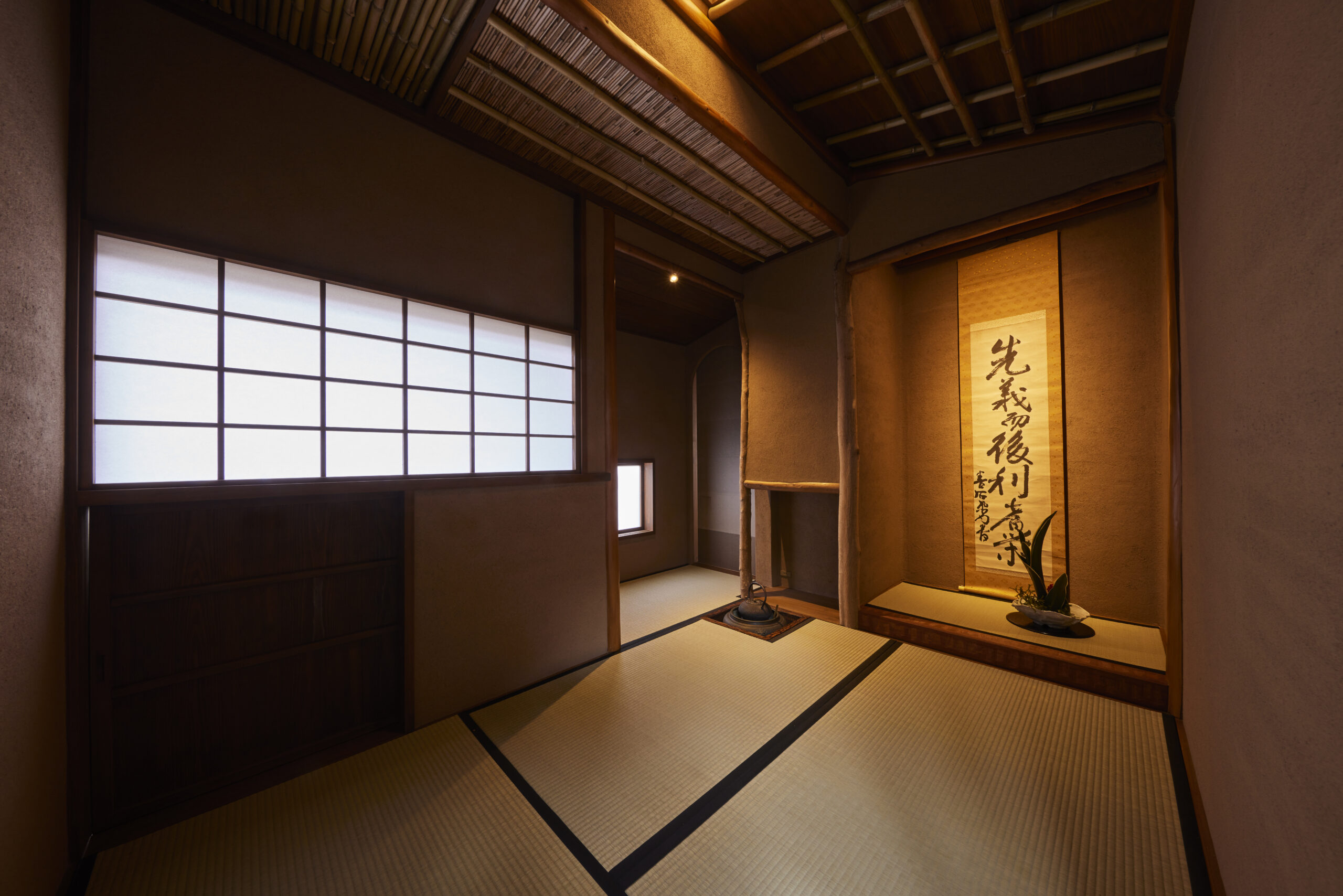
The tea room at Tsubame Sanjotei has an unusual form and there is a spacious bathroom next to it. According to the manner of Rinkan style, the guests first take a bath and then are served tea and enjoy attending the whole ceremony which was such an unconventional and free forms of tea ceremony. At Tsubame Sanjotei, we look forward to enjoying our space and time together with our guests who share a free and playful mind.